
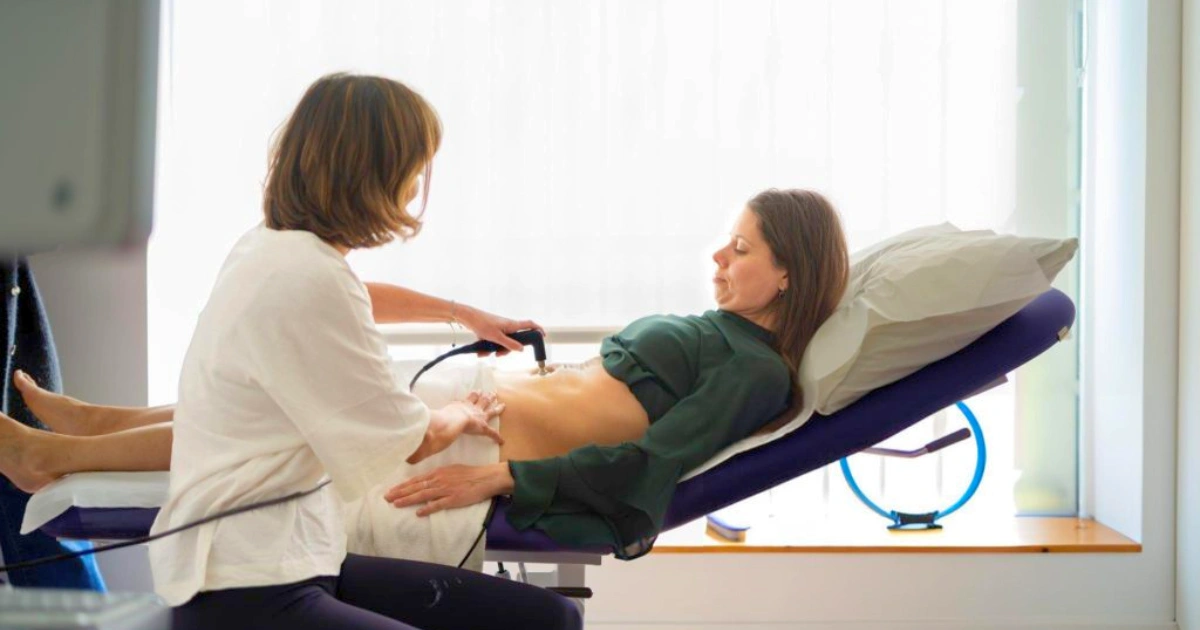
Pelvic Floor Therapy After Pregnancy: Restoring Strength and Well-Being
What is postpartum pelvic floor therapy? Pelvic floor therapy is a specialized form of physical rehabilitation designed to treat dysfunction in the muscles that support the bladder, uterus, and bowel after childbirth. Pregnancy and delivery (both vaginal and ) can stretch or weaken these muscles, leading to issues like SUI (leaking when you cough or sneeze) or . At Mapusa Clinic, we integrate pelvic health into our to help mothers regain control and confidence.
Urogynecology Excellence: This guide is authored by Dr Milind Colvalcar, a senior gynaecological surgeon specialising in pelvic floor reconstruction. With over 20 years of experience, he provides clinical solutions for and at Mapusa Clinic, Goa.
It’s Common, But Not “Normal”
Many mothers are told that leaking urine when they laugh or feeling “heaviness” in the pelvis is just a normal part of being a parent. While these issues are common, they are not something you have to live with.
Whether you had a , your body has undergone significant structural changes. At Mapusa Clinic, our specializes in identifying these changes and providing non-surgical and surgical solutions to restore your quality of life.
You may want to read Persistent Pelvic Pain? Understanding Causes and Finding Relief in Goa.
Signs You Need Pelvic Floor Evaluation
If you are experiencing any of the following symptoms more than six weeks after delivery, it is time to consult with Dr. Milind Colvalcar:
- Stress Urinary Incontinence (SUI): Do you ?
- Pelvic Heaviness: A feeling that something is “falling out” or extreme pressure in the lower abdomen.
- Pain During Intercourse: Often linked to tight or scarred pelvic muscles.
- Core Weakness: Difficulty engaging your abdominal muscles (often linked to Diastasis Recti).
The Path to Recovery: Treatment Options in Goa
At Mapusa Clinic, we offer a tiered approach to pelvic health, ensuring you get the most effective treatment for your specific needs.
1. Non-Surgical Rehabilitation
Many cases of mild SUI can be managed through guided exercises, lifestyle modifications, and specialized physical therapy. Our focus on retraining the muscles to provide the support your body needs.
2. Minimally Invasive Procedures
For mothers with more advanced , Dr. Milind Colvalcar provides advanced surgical solutions. As a senior surgeon, he utilizes to repair pelvic supports with minimal downtime and precision.
Why Pelvic Health Matters for Future Pregnancies
If you are considering another child and weighing the options of , your pelvic health should be a priority. A strong pelvic floor provides a better foundation for subsequent pregnancies and can prevent existing issues from worsening as you carry more weight.
FAQs on Pelvic Floor Therapy After Pregnancy
Q: Can I have pelvic floor issues if I had a C-section? A: Yes. While vaginal delivery directly impacts the birth canal, the weight of the baby during nine months of pregnancy is what primarily stretches the pelvic floor muscles. Mothers who have a are still at risk for SUI and prolapse.
Q: How soon after birth can I start therapy? A: Most women can begin gentle pelvic floor awareness exercises within days of birth, but a full clinical evaluation at Mapusa Clinic is usually scheduled at the 6-week postpartum mark.
Q: What is the difference between a “leak” and SUI? A: Stress Urinary Incontinence (SUI) is the specific medical term for leaking during physical “stress” on the bladder. We have a detailed guide on and how to stop it.
🏁 Reclaim Your Body
Postpartum recovery isn’t just about the baby; it’s about the mother’s long-term health. Don’t let pelvic discomfort hold you back from an active life in Goa.