
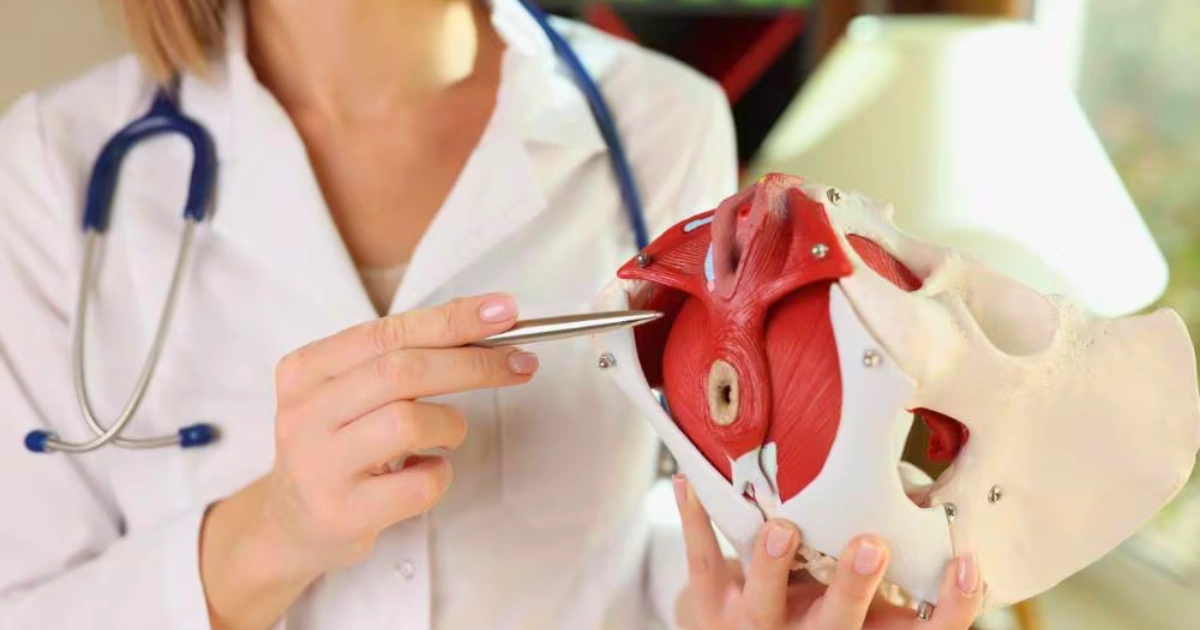
Understanding Vaginal Prolapse (POP): Symptoms, Causes, and Treatments in Goa
What is Vaginal Prolapse (POP)? Vaginal Prolapse, or Pelvic Organ Prolapse (POP), occurs when the pelvic floor muscles and tissues can no longer support the pelvic organs (bladder, uterus, or rectum), causing them to drop into or out of the vaginal canal. Common symptoms include a feeling of “pelvic heaviness” or seeing a visible bulge. At Mapusa Clinic, Dr. Milind Colvalcar provides specialized care ranging from pelvic floor therapy and pessaries to advanced laparoscopic reconstructive surgery for women across Goa.
That “Heavy” Feeling is Treatable
Many women in Goa describe a sensation of “something falling out” or a persistent heaviness in the lower abdomen. While often kept quiet due to embarrassment, Pelvic Organ Prolapse (POP) is a common condition, especially following childbirth or menopause.
At Mapusa Clinic, we treat POP with the sensitivity and expertise it deserves. As part of our Urogynecology Services, we help you regain your comfort and confidence.
Recognizing the Symptoms of Prolapse
Patients often search for their symptoms before they know the medical name. You should seek a consultation if you experience:
- The “Bulge”: Feeling or seeing tissue protruding from the vaginal opening.
- Pelvic Heaviness: A sensation of pulling or aching in the pelvis that worsens after standing for long periods.
- Bladder/Bowel Issues: Difficulty starting urination, a feeling of incomplete emptying, or chronic constipation.
- Lower Back Pain: Unexplained backaches that improve when lying down.
Why Does Prolapse Happen?
The pelvic floor acts like a hammock. When that hammock weakens, organs shift.
- Childbirth: The strain of vaginal delivery is a primary factor.
- Menopause: Lower estrogen levels lead to weaker connective tissues.
- Chronic Strain: Long-term coughing, heavy lifting, or obesity can put constant downward pressure on the pelvic floor.
Diagnosis and Evaluation at Mapusa Clinic
Before treating, we must identify which organ is prolapsed (bladder, uterus, or rectum).
- Clinical Exam: A specialized pelvic exam to grade the severity (Stage 1 to 4).
- Urodynamics: If you also leak when you cough, we may perform Urodynamic Testing to check bladder function.
Treatment Options: From Pessaries to Keyhole Surgery
We follow a “Conservative First” approach whenever possible.
Non-Surgical Solutions
- Pelvic Floor Muscle Training: Strengthening the “hammock” through guided exercises.
- Pessary Fitting: A small, removable silicone device inserted into the vagina to hold organs in place.
- Hormonal & Lifestyle Support: At Glamgyno, we address the metabolic and hormonal factors that contribute to tissue weakness, helping you manage weight and tissue health.
Advanced Surgical Solutions
If conservative methods fail, Dr. Milind Colvalcar specializes in Minimally Invasive Procedures to fix the prolapse.
- Laparoscopic Sacrocolpopexy: The gold standard for uterine or vaginal vault prolapse, using keyhole surgery to provide permanent support with minimal downtime.
- Vaginal Repair: Minimally invasive techniques to reinforce the vaginal walls (Colporrhaphy).
Expert Insight: As noted on Dr. Milind Colvalcar’s personal hub, “Surgery for prolapse is about more than just physical repair; it’s about restoring a woman’s ability to live an active, symptom-free life in her community, whether in Panjim, Margao, or Mapusa.”
🏁 Reclaim Your Comfort
You don’t have to live with the discomfort of prolapse. Our specialized Urogynecology team is here to help you find the right solution.
Schedule a Confidential Prolapse Evaluation at Mapusa Clinic.
Uterine Prolapse Treatment in Goa – Surgery, Recovery & Prevention FAQs
1. Is surgery the only way to fix a prolapse?
No, surgery is not always necessary.
In Stage 1 or Stage 2 uterine prolapse, symptoms can often be managed with:
- Pelvic floor physical therapy
- Regular Kegel exercises
- Use of a vaginal pessary (a supportive device placed inside the vagina)
Surgery is typically recommended for Stage 3 or Stage 4 prolapse, or when symptoms such as discomfort, urinary problems, or pressure significantly affect daily life.
A gynecological evaluation helps determine the most appropriate treatment plan.
2. How long is the recovery after prolapse surgery?
With a minimally invasive laparoscopic prolapse repair, recovery is generally faster compared to traditional open surgery.
At Mapusa Clinic, most patients:
- Return home within 24–48 hours
- Resume light activities within a few days
- Follow lifting and activity restrictions for 4 to 6 weeks
Your doctor will provide personalized post-surgery guidelines to ensure safe and complete healing.
3. Can I prevent a prolapse from getting worse?
Yes, early lifestyle changes can help slow or prevent progression.
Helpful preventive measures include:
- Avoiding heavy lifting
- Managing chronic cough or constipation
- Maintaining a healthy body weight
- Performing regular Kegel (pelvic floor) exercises
Early consultation and consistent pelvic floor care can significantly reduce worsening symptoms.